Online search has changed significantly with the rise of AI-powered search services. More and more often, users receive answers directly from an AI-generated summary in a search engine or from a conversational AI assistant, without ever visiting a separate website. This shift is also changing how businesses should approach their online visibility.
GEO (Generative Engine Optimization) is the practice of optimizing websites and content so that artificial intelligence (AI) systems can understand, reference, and use them when generating answers. You may also come across related terms such as AEO (Answer Engine Optimization), AI SEO, or LLM Optimization / LLM SEO. While the terminology varies, they all describe the same emerging approach to search optimization.
In practice, GEO is about ensuring that your company’s expertise and content are available online in a clear, well-structured, and technically accessible format, making it easier for AI systems to recognize your content as a reliable source.
From Keywords to Expertise
Traditional search behavior has relied on keywords embedded in website content and metadata. Conventional Search Engine Optimization (SEO) focuses on optimizing keywords, page structure, and metadata to improve rankings in search engine results, encouraging users to click through to a website.
As AI-powered search becomes more prevalent, visibility depends increasingly on demonstrating expertise, authority, and trustworthiness. Rather than simply matching keywords, AI systems evaluate whether content clearly answers users’ questions, is well organized, technically accessible, and backed by credible sources. The goal is no longer just to rank highly in search results—it is to become a trusted source that AI can confidently cite in its responses.

As search becomes increasingly AI-driven and conversational, users are more likely to receive a complete answer or summary directly from an AI assistant instead of clicking through to individual websites.
This shift is changing online discoverability and reducing the amount of traffic driven to company websites.
With effective AI optimization, both your brand and your expertise become visible in AI-generated responses. In the best-case scenario, users will still visit your website to explore your services or learn more. High-quality content remains the foundation of online visibility, but in the age of AI, context, expertise, technical accessibility, and user experience have become just as important.
At the same time, the way younger generations search for information within social media platforms is also reshaping online discoverability. Rather than relying solely on traditional search engines, users increasingly discover information through algorithm-driven, visual, fast-paced, and creator-led content. Information is found by browsing, comparing, and engaging with content across multiple platforms, making a strong and consistent presence in social media an essential part of modern digital visibility.
GEO Builds on SEO
Although AI is transforming the way people search for information, Search Engine Optimization (SEO) is not becoming obsolete. On the contrary, effective Generative Engine Optimization (GEO) depends on a solid SEO foundation.
When a website is technically well optimized and its content is clearly structured, both search engines and AI systems can better understand, index, and reference the information it contains. In other words, strong SEO is the prerequisite for successful AI optimization.
Below are some key technical factors that influence both search engine visibility and AI discoverability. These are areas worth reviewing with your web developer:
- Fast page loading times and mobile-friendly design
- Proper indexability, ensuring search engines such as Google can crawl and store your pages for inclusion in search results
- A clear heading structure and logical site hierarchy
- Content organized in a question-and-answer format where appropriate
- Structured data, such as Schema.org markup
- An accessible, user-friendly interface with intuitive navigation
Content Structure and Accessibility Matter
A strong technical foundation is only part of the equation. The way your content is structured also plays a significant role in how AI systems interpret and use it. AI is particularly effective at identifying content that is well organized, clearly written, and provides direct answers to users’ questions.
In practice, this means presenting the main message at the beginning of an article and developing the topic through logical sections with descriptive headings. Clear paragraphs, bullet points, and concise language make content easier for people to read—and easier for AI systems to interpret and reference.
Accessibility is not AI optimization in itself, but many accessibility best practices also improve a website’s semantic structure. Using the correct HTML elements, maintaining a logical page hierarchy, and ensuring important information is clearly identified all help search engines and AI systems better understand your content, while creating a better experience for every visitor.
Visibility Extends Beyond Your Website
AI does not generate answers from a single website. Instead, it draws on information from multiple trusted sources across the web. That’s why it’s important to showcase your company’s expertise beyond your own website.
Your online visibility can be strengthened through:
- Expert commentary and media interviews
- Industry publications and research
- Conference presentations, articles, and blog posts
- Brand mentions, reviews, and third-party references
- An up-to-date Google Business Profile and, where appropriate, a Wikipedia page
When your organization is consistently recognized online as a credible source of information, AI systems are more likely to reference your content when generating responses. Building authority across the wider web not only strengthens your brand’s reputation but also increases the likelihood that your expertise will be surfaced in AI-powered search experiences.
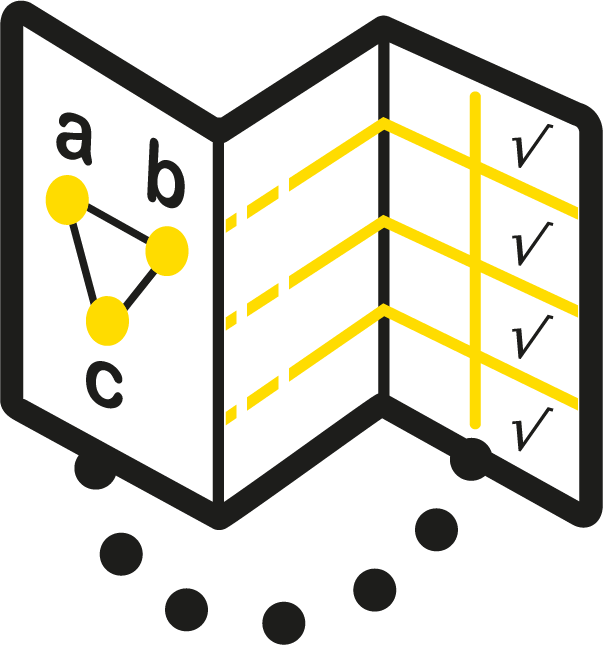
Schema markup is structured metadata added to your website’s source code. It helps search engines and AI understand your content, such as information about your organization, products, or services.
GEO Is Part of the Future of Online Visibility
AI is not replacing high-quality content or SEO—it is expanding how online visibility is achieved. The key for businesses is to ensure their expertise is clearly presented online and supported by a technically well-optimized website.
At Tulus, we help you strengthen both the content and technical foundations of your online presence, enabling you to evolve your digital strategy from traditional SEO to AI-ready GEO.
Let’s build lasting online visibility together!